Click HERE To Buy Cellcept Online ↓
 Cellcept for Autoimmune Diseases: How It Works
How Cellcept Calms an Overactive Immune System
Imagine immune cells as overzealous guards rushing to attack the body's own tissues; Cellcept steps in like a measured command, slowing their advance and reducing collateral damage.
At a scientific level, the drug blocks a key enzyme needed to make guanine nucleotides, which lymphocytes rely on to multiply. Without those building blocks, destructive T and B cells struggle to expand.
The result is fewer immune soldiers at inflammation sites, lower antibody production, and less tissue injury. That selective effect helps preserve general immunity while targeting the cells driving autoimmune damage.
Patients often notice gradual improvement over weeks; clinicians carefully monitor blood counts and infections to balance benefit and safety, tailoring dose to response and tolerance.
| Effect | Clinical meaning |
|---|---|
| Reduced lymphocyte proliferation | Less tissue damage and inflammation |
Mechanism of Action: Blocking Lymphocyte Proliferation Pathways
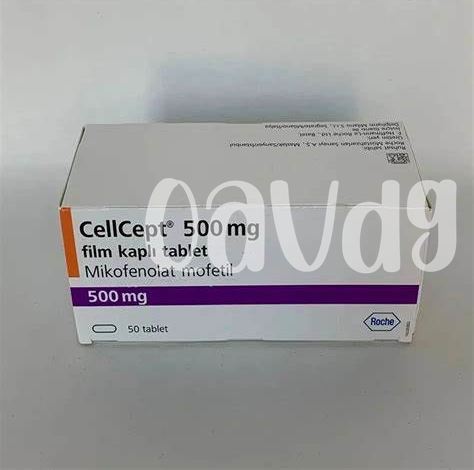
A treatment like cellcept acts as a targeted whisper to an overactive immune system, nudging it away from attacking the body, with fewer global effects than general immunosuppressants.
It interferes with nucleotide synthesis, depriving proliferating lymphocytes of the building blocks they need to multiply. Its action is reversible when therapy stops.
By slowing clonal expansion, inflammatory responses cool and tissue damage decreases, while regulatory cells have better relative influence.
This selective effect explains why some autoimmune conditions respond well and why monitoring blood counts is essential, and infection risk manageable.
Who Benefits Most: Autoimmune Conditions Responding to Cellcept
Many patients whose immune systems mistakenly attack organs find relief when inflammation driven damage is the problem. In particular, cellcept is widely used to control systemic lupus erythematosus and lupus nephritis, where suppressing auto reactive lymphocytes prevents kidney scarring and preserves function.
Beyond lupus, clinicians turn to cellcept for autoimmune hepatitis and inflammatory myopathies when steroids alone fail or cause intolerable side effects. It is also frequently chosen for certain vasculitides, pemphigus and other dermatologic autoimmune disorders because of a favorable balance between efficacy and tolerability.
Ideal candidates often require steroid sparing therapy, have chronic relapsing disease, or need long term maintenance to reduce flares. Treatment decisions are individualized, weighing disease severity, comorbidities and monitoring capacity, and are best made collaboratively between patient and specialist. Follow up labs and vaccination review are essential to maximize benefit and minimize infection risk.
Dosing Strategies, Monitoring Needs, and Safety Considerations

Starting cellcept often feels like tuning an instrument: physicians typically begin with a standard dose and adjust for age, weight, kidney function and co‑medications, aiming for symptom control while minimizing side effects. Slow upward titration and shared discussions about goals help patients stay confident during the early weeks.
Regular bloodwork—complete blood counts, renal and liver panels—and vigilance for infections are essential. Pregnancy testing and reliable contraception are mandatory because of teratogenic risk. Vaccination status should be reviewed before therapy begins.
Safety means knowing common risks (GI upset, leukopenia, infections) and interactions (antacids, cholestyramine reduce absorption). Promptly report fever, bleeding, or severe diarrhea; attend scheduled labs; and discuss any new medicines with your clinician for safety.
Potential Side Effects, Drug Interactions, and Risk Management
Starting cellcept can feel like a calculated leap: relief from autoimmune attack often comes with trade-offs. Patients commonly experience gastrointestinal upset, headache, and bone marrow suppression leading to low white cells or platelets; liver enzymes may also rise. Regular blood tests help catch problems early.
Interactions matter: combining cellcept with other immunosuppressants, live vaccines, or certain antivirals increases infection risk or alters drug levels. Always tell clinicians about supplements and over-the-counter medications to avoid surprises.
Risk management combines vigilance and lifestyle choices: scheduled lab monitoring, prompt infection reporting, vaccination planning, and consistent contraception for those of childbearing potential reduce harm. Clear communication with healthcare teams makes therapy safer and more effective.
| Risk | Action |
|---|---|
| Infection | Report |
Practical Tips for Patients Starting or Switching Therapies
Beginning or changing treatment can feel daunting; bring a written list of medications, allergies, and questions to each visit to make appointments efficient and safe. Ask your clinician about timing, dose adjustments, and how long it may take to see benefits. Request baseline blood tests and copies of results so you can track trends and share them with other providers.
Learn infection precautions—handwashing, avoiding sick contacts, and when to call for fever. Keep a medication diary noting missed doses or side effects and report significant changes promptly. Discuss vaccine timing and contraception if relevant. Clear communication, careful monitoring, and simple routines help maximize benefits while reducing risks during the switch. Always carry a medication list.
