Click HERE To Buy Champix Online ↓
 Champix Myths Debunked: Facts You Need
Busting Side-effect Myths: What Evidence Really Shows
People often expect dramatic side effects when starting Champix, imagining severe reactions. Large clinical trials, however, show most users report mild, transient symptoms — nausea, vivid dreams, and sleep disturbance — typically resolving in weeks. Comparing these rates with placebo reveals a modest increase in some symptoms, but not widespread serious harm.
Worries about heart problems or life-threatening events stem from early reports and media amplification. Subsequent meta-analyses and regulatory reviews found no consistent link to major cardiovascular events for most patients; when concerns arose, they were often tied to preexisting health issues or smoking itself.
Clinicians balance benefits against manageable side effects, advising dose adjustments and supportive measures. Close monitoring and open communication let many complete treatment successfully, achieving quit rates well above behavioral support alone. Evidence encourages informed use rather than fear-driven avoidance with doctors to tailor a safe plan.
| Symptom | Evidence |
|---|---|
| Nausea | Common, usually mild |
Addiction Risk: Is Champix Habit-forming or Not
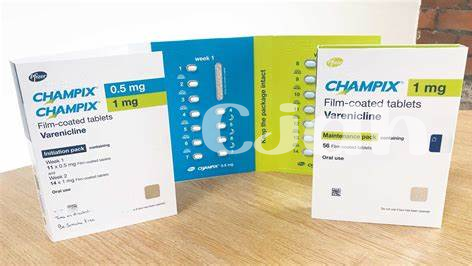
Many people hesitate before starting treatment, worried a pill will simply swap one habit for another. Real-world studies of champix show it targets smoking behavior rather than creating a new craving, easing transition off nicotine.
It acts on brain receptors to reduce pleasure from cigarettes and blunt withdrawal. People report decreased urges without the compulsive drug-seeking typical of addiction. Clinical follow-ups usually show no dependence on the medication itself either.
Concerns about swapping addictions often stem from misunderstanding how partial agonists work. Champix partially stimulates nicotinic receptors while blocking nicotine binding, providing relief without the reinforcement loop that underlies habitual drug use in most users.
Doctors monitor treatment length and encourage weaning off medication once smoking stops. Combining behavioral support with champix increases durable quitting and minimizes any small theoretical risk of dependence, making it a practical tool for smokers.
Mental Health Concerns Versus Real-world Data
Many smokers tell stories of mood swings and anxiety when they tried champix, and such anecdotes spread quickly online. Those personal accounts are vivid and important, but they don't form the whole picture; clinical trials, regulatory reviews and large post-marketing studies provide broader context that often shows fewer severe psychiatric events than early reports suggested.
Real-world data indicate most users experience manageable side effects, with serious psychiatric outcomes rare and often linked to prior mental health conditions or concurrent stressors. Clinicians now emphasize screening, close follow-up and patient education, framing champix as an effective cessation tool whose risks can be minimized with vigilance and support. Seek help promptly if new or worsening symptoms appear immediately.
How Champix Works: Nicotine Receptor Science Simplified
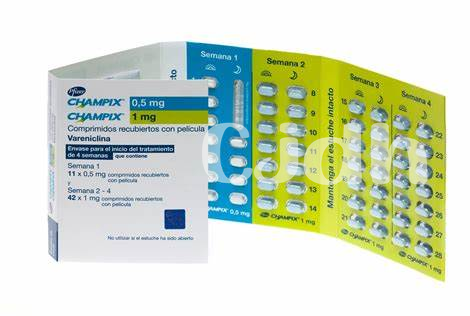
Imagine a tiny key fitting into brain locks, calming cravings without delivering smoke. That’s how champix acts: it binds to nicotine receptors, partially activating them so withdrawal eases while the rewarding surge from cigarettes is reduced and reduces craving intensity over days.
These receptors, called nicotinic acetylcholine receptors, normally light up with nicotine and drive pleasure and habit. Champix's partial stimulation prevents the full dopamine spike, so smoking becomes less satisfying and repeated reinforcement drops.
Clinically, this dual action—blunting reward and relieving withdrawal—helps people stick with quit attempts. It doesn’t replace addiction with another; instead it reshapes the brain’s response during the critical early weeks.
Used with behavioral support, champix improves quit rates compared with placebo. Understanding this biology makes its effects less mysterious and more a practical tool in stopping smoking. Pairing it with counseling boosts success significantly early.
Effectiveness Compared to Alternatives: Truth about Success
Anecdotes move hearts, but trials guide choices. Randomized studies show champix users often achieve higher sustained abstinence than placebo in many populations
Comparisons with nicotine replacement and bupropion vary, but head-to-head analyses typically favor varenicline for short-term and one-year outcomes across diverse smoker profiles
Effectiveness rises when medication pairs with counseling. Behavioral support doubles success versus medication alone, so integrated plans matter more than one pill daily
Real-world adherence affects outcomes: side effects or cost can reduce use. Choosing a tailored option, monitoring progress, and persistence maximize quit chances significantly
Practical Safety Tips: Using Champix Responsibly and Safely
When I started Champix, I kept a simple rule: follow the prescribed schedule and track changes. Take doses with a glass of water, avoid alcohol spikes, and report any unusual sleep disturbances or vivid dreams. Regular check-ins with your prescriber let you adjust timing, manage side effects early, and stay motivated. Keep a written side-effect diary for reference.
Pairing Champix with behavioral support doubles your chances of quitting; join counseling or support groups and use reminders or apps to avoid missed doses. Stop the medication only under medical advice, and disclose all medications and health conditions to prevent interactions. If mood shifts or suicidal thoughts appear, seek immediate medical help—safety comes from vigilance and teamwork.
