Click HERE To Buy Clonidine Online ↓
 Clonidine Withdrawal: Symptoms and Safe Tapering
Why Clonidine Is Prescribed and How It Works
A patient remembers the first prescription: trembling nights eased and blood pressure steadied, an immediate relief that felt like reclaiming calm again.
It acts on receptors in the brainstem to reduce sympathetic outflow, lowering heart rate, dilating vessels to control hypertension and hyperarousal symptoms.
Clinicians prescribe it for blood pressure, withdrawal management, ADHD adjunctive care, and sleep disturbances; its calming effect provides versatile, targeted support.
Understanding its mechanism helps patients respect dosing and avoid stoppage, which can trigger rebound hypertension and distressing withdrawal symptoms requiring care.
| Use | Effect |
|---|---|
| BP | Calm |
Recognizing Withdrawal Symptoms and Common Physical Signs

When someone stops clonidine abruptly, the body can react like a spring released—heart pounding, blood pressure surging, and sweat drenching the sheets. Physical signs often include rapid heartbeat, tremors, headaches, nausea, and dizziness; some people report shaking chills, flushing, or a return of high blood pressure that feels frighteningly sudden.
These symptoms may vary in intensity and can mimic other conditions, so documenting onset and severity helps healthcare providers respond. Less visible but important are gastrointestinal upset, insomnia, and sweating episodes that interrupt daily life. If physical signs escalate or are accompanied by chest pain, fainting, or severe headache, seek immediate medical attention—safe tapering under supervision reduces these risks. Keep a symptom diary and communicate.
Emotional and Cognitive Effects to Watch for
Many people report abrupt mood changes during withdrawal; anxiety can surge, anger may appear without obvious triggers, and sadness or tearfulness may set in unexpectedly. Sleep fragmentation and nightmares often amplify emotional reactivity, reducing patience and coping capacity.
Cognitive symptoms can be subtle yet disruptive — concentration worsens, memory lapses occur, and decision making feels foggy or slowed. Tasks that were once routine may require more effort, increasing frustration and contributing to a sense of mental strain.
Understanding that these experiences can be part of stopping clonidine helps normalize them and encourages patience. Keeping a symptom diary, communicating with your prescriber, and practicing grounding or relaxation techniques can ease the transition and prompt timely support if needed. Seek help sooner if suicidal thoughts, severe confusion, or unmanageable agitation emerge, as these require urgent medical evaluation and possible treatment right away.
Typical Timeline When Symptoms Usually Appear
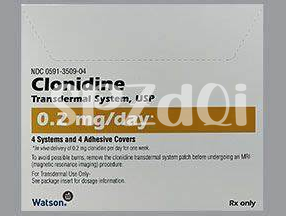
After stopping clonidine, some people feel a sudden surge within 24–72 hours: rapid heart rate, sweating, dizziness, and a marked rise in blood pressure. These early signs often feel abrupt and intense, like the body’s alarm system flicking back on.
Between days three and seven, symptoms frequently peak. Insomnia, tremor, severe anxiety, headaches, and nausea are common. Physical signs may dominate first, but emotional distress can quickly amplify the experience, making normal routines difficult.
Over the following weeks symptoms usually ease, though fatigue and mood instability can linger for several weeks to months. Slow, supervised tapering and prompt contact with your prescriber if symptoms worsen help reduce risk and guide recovery, and contact your clinician.
Safe Tapering Strategies Your Prescriber May Recommend
When your clinician plans a discontinuation, they usually suggest gradual dose reductions to minimize rebound effects. Many patients report relief when clonidine is tapered over weeks, with small stepwise decreases and close symptom monitoring. Keep a simple diary of blood pressure, heart rate and symptoms to guide decisions.
Your prescriber may pause or slow the taper if withdrawal appears, and may recommend temporary agents for severe anxiety or blood-pressure spikes. Never stop clonidine abruptly; clear communication, scheduled follow-ups and an emergency plan help ensure safety and reduce fear during transition.
| Action | Purpose |
|---|---|
| Gradual dose reduction | Minimize withdrawal and rebound hypertension |
When to Seek Urgent Medical Help Immediately
A sudden chest pain, fainting, or a heart racing out of control should alarm you. If blood pressure spikes, breathing worsens, or a seizure starts, treat it as an emergency. Abrupt severe symptoms require rapid evaluation and immediate medical attention from emergency services right away.
Severe confusion, hallucinations, uncontrollable agitation, or suicidal thoughts are urgent dangers. Stay with someone, avoid driving, and contact emergency services or go to the nearest ER. Tell clinicians about clonidine use and recent dosing so they can stabilize you safely and quickly, and monitor vitals.
