Click HERE To Buy Lioresal Online ↓
 Lioresal Interactions: What Drugs and Substances to Avoid
Mixing with Alcohol and Opioids Greatly Increases Sedation
A night out or prescription opioids can turn a routine dose into a dangerous cloud of sleepiness. Personal stories show groceries forgotten, stairs misjudged, and missed conversations; the combination amplifies drowsiness far beyond what either substance causes alone.
Clinically, both agents depress central nervous system function; together they raise the risk of hazardous sedation, slowed reflexes, and impaired judgment. Medical guidance recommends avoiding co-use and seeking help if unexpected heavy sleep, shallow breathing, or extreme confusion occurs.
If you use prescription muscle relaxants, tell your provider about any alcohol use or opioid prescriptions. They can adjust dosing, suggest safer alternatives, or arrange monitoring. In emergencies call for immediate care if breathing slows, you become hard to rouse, or severe unsteadiness leads to falls; these signs signal urgent intervention. Always follow dosing directions and never mix without medical advice.
| Risk | Effect |
|---|---|
Benzodiazepines and Sleeping Pills Escalate Dizziness and Respiratory Depression

Imagine waking after a long day and taking an extra pill to calm the nerves; combining lioresal with benzodiazepines or other sedative sleep aids can deepen sedation unexpectedly, leaving people groggy and unsteady.
That grogginess isn’t just unpleasant; respiratory drive can be suppressed when muscles that support breathing are doubly relaxed. Clinicians warn that doses should be reviewed and patients monitored closely for slowed breathing, confusion, or excessive drowsiness after starting both agents.
If you or a loved one uses these medications together, avoid driving and inform prescribers about all drugs and supplements. Small adjustments, timing changes, or alternative therapies often reduce risk while preserving symptom control, and ask about emergency plans for breathing problems.
Certain Antidepressants and Antipsychotics May Amplify Side Effects
Combining lioresal with certain antidepressants or antipsychotics can amplify sedation, dizziness, and confusion, turning manageable side effects into safety hazards. Many of these psychiatric drugs have their own sedative and anticholinergic profiles; when used together with baclofen, patients may experience pronounced cognitive slowing, blurred vision, and orthostatic hypotension that increase fall risk and impair daily functioning.
Risk of additive respiratory depression is higher with combinations that depress central nervous system activity, and some antipsychotics may also affect heart rhythm when paired with baclofen. Always review medication lists with your clinician; adjustments, dose spacing, or closer monitoring can reduce danger. Always discuss changes first with your prescriber. Report troubling symptoms such as severe drowsiness or palpitations.
Avoid Abrupt Withdrawal When Combining with Seizure Medications
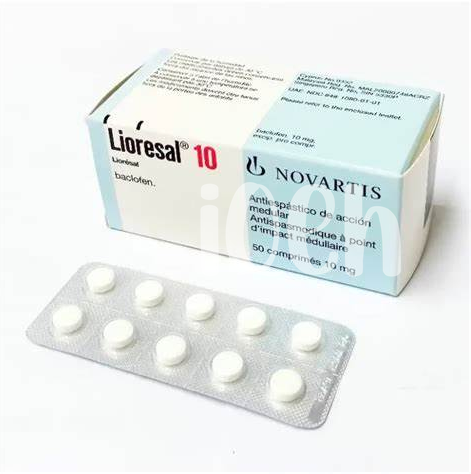
A patient once stopped lioresal overnight and within days experienced uncontrollable tremors and a seizure, illustrating why abrupt changes matter. The sudden absence of baclofen's inhibitory effect can unmask seizure susceptibility in vulnerable people.
When baclofen is combined with antiseizure medications, sudden withdrawal can provoke rebound spasticity and increase seizure frequency; coordinated tapering with a neurologist reduces this risk. Medication schedules, plasma levels, and drug interactions should be reviewed before any change.
If discontinuation is considered, clinicians should plan a gradual dose reduction, monitor neurologic status closely, and adjust anticonvulsant therapy as needed to prevent withdrawal-related complications. Provide patients with a written plan, emergency contact instructions, and close timely follow-up to detect early warning signs.
Muscle Relaxant Overlap Increases Weakness, Falls, and Impaired Coordination
A simple stumble in the kitchen became my wake up call: when different muscle relaxants are mixed, strength fades and coordination falters fast. If you or a loved one use lioresal alongside another relaxant, watch for marked weakness, slowed reflexes, and a rising risk of falls that can change life in a moment.
Talk openly with prescribers before combining treatments; small dose adjustments or timing changes reduce danger. Carry a list of medicines, avoid driving if unsteady, and seek help for sudden dizziness or difficulty standing; steps help prevent injuries.
| Risk | Action |
|---|---|
| Weakness | Review meds |
Herbal Supplements and Grapefruit Juice Can Alter Drug Levels
Morning routines often include teas or a glass of juice, and it’s easy to underestimate how these choices change medication effects. Many botanical products — like St. John’s wort, ginkgo, kava or valerian — influence liver enzymes and transporters that clear drugs, potentially lowering Lioresal’s benefit or boosting side effects such as sedation and weakness. Likewise, grapefruit and its juice can block enzymes that break down drugs, causing unexpectedly high blood levels.
Don’t assume natural equals safe: list supplements and juices to your prescriber. Your clinician or pharmacist can flag risky combinations, suggest timing or alternatives, and advise how long to avoid certain foods to keep treatment safe and effective and help reduce side effects.
