Click HERE To Buy Lipitor Online ↓
 Lipitor Myths Debunked: Evidence-based Answers
Does Lipitor Cause Liver Damage? Evidence Review
When patients worry about liver harm, the story deserves facts not fear. Routine monitoring and trials show severe liver injury from Lipitor is rare.
Mild enzyme elevations occur in a small percentage but usually resolve without stopping treatment. Doctors interpret carefully in clinical context before decisions.
Large randomized trials excluded widespread hepatotoxicity; regulators advise baseline testing and symptom driven follow up rather than frequent invasive testing for patients.
If liver enzymes rise significantly, clinicians weigh benefits against risks and may adjust therapy; informed discussion keeps treatment safe and effective overall.
| Finding | Typical Evidence |
|---|---|
| Mild enzyme rise | Occurs in a small percent; often transient |
| Severe liver injury | Very rare in clinical trials |
Statin-induced Muscle Pain: Myth Versus Reality
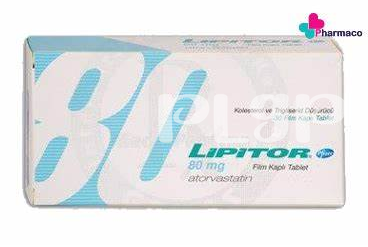
A middle-aged runner worried when leg aches began after starting lipitor, yet her doctor explained that true statin myopathy is uncommon. Most patients report mild soreness but serious muscle injury (rhabdomyolysis) is rare and predictable.
Clinical trials show muscle symptoms occur at similar rates in statin and placebo groups, suggesting a strong nocebo effect. Evaluation includes checking creatine kinase, reviewing drug interactions, and assessing alternative explanations like exercise, thyroid disease, or vitamin D deficiency, often.
If symptoms persist, clinicians may lower dose, switch agents, try intermittent dosing, or use nonstatin therapies. Importantly, the cardiovascular benefits of lipitor-class statins usually outweigh transient discomfort, so shared decision-making and careful monitoring guide safe, effective treatment for most patients.
Lipitor and Cognitive Decline: What Studies Say
An older neighbor once feared cholesterol pills would steal his memories, but modern research paints a different picture. Clinical trials designed to test cognition specifically have not demonstrated clear long term memory loss from lipitor, and reported short term confusion tends to be rare and reversible when it occurs.
Observational studies sometimes showed mixed signals, but those can reflect underlying vascular disease and age, not the drug itself. Large randomized trials and meta analyses consistently find no meaningful increase in dementia risk; some data even suggest cardiovascular protection may lower vascular cognitive decline over time.
If someone notices memory changes, the practical step is a careful review with their clinician: check other medications, sleep, mood, and vascular risk factors before stopping therapy. For most patients, the proven cardiovascular benefits outweigh uncertain cognitive concerns. Shared decision making with clinicians is essential.
Does Lipitor Increase Diabetes Risk? Data Explained

When patients worry about statins raising diabetes risk, the data paint a nuanced picture. Large randomized trials and meta-analyses show a small absolute increase in new-onset diabetes with higher-intensity therapy, yet the cardiovascular benefits — fewer heart attacks and strokes — usually outweigh that risk. For most people, taking lipitor prevents far more harm than it causes, especially when baseline diabetes risk is low to moderate.
Clinicians balance this trade-off by assessing individual risk factors: age, weight, family history, and fasting glucose. Monitoring blood sugar after starting therapy is sensible, and lifestyle measures — diet, exercise, weight loss — reduce both diabetes and cardiovascular risks. In patients already at high diabetes risk, physicians may choose moderate-intensity statin dosing or closer follow-up rather than stopping therapy. Communication matters: understanding absolute risks helps patients make informed choices about lipitor and their overall health plan with monitoring.
Do Lifestyle Changes Make Lipitor Unnecessary?
I imagined changing my diet would be a magic fix, but reality taught me nuance: lifestyle adjustments—diet, exercise, weight loss, and quitting smoking—can dramatically lower cholesterol and sometimes delay medication. However, for many with strong genetic risk or established heart disease, such changes alone often fall short. Still, personalized assessment matters.
Clinical trials show lifestyle interventions reduce LDL by tens of percent, yet statins like lipitor provide additional predictable reductions and stroke/MI risk drops that lifestyle alone rarely matches. Doctors weigh individual risk, measuring numbers and history before deciding. Biomarkers and coronary calcium scores sometimes guide the choice.
Think of lifestyle as essential foundation and statins as targeted therapy when that foundation isn’t enough; combining both optimizes outcomes and lets some patients use lower doses. Shared decision-making and regular monitoring determine whether medication remains necessary. Reassess therapy with your clinician.
| Intervention | Typical LDL change |
|---|---|
| Lifestyle | ~10–25% |
| Lipitor | ~30–55% |
Long-term Safety and Benefits of Lipitor Use
Decades of research have shown sustained cholesterol lowering with atorvastatin reduces heart attacks and strokes for many patients. Long-term studies report consistent cardiovascular benefit, especially in those at high risk or with established atherosclerosis clinically.
Safety monitoring over years indicates serious adverse liver events are rare; routine liver enzyme checks are now less frequent due to low incidence. Muscle injury remains uncommon and predictable when identified promptly and managed appropriately.
Observational data and randomized trials examining cognitive outcomes haven’t shown consistent decline attributable to the drug. Some patients report reversible memory complaints, but large-scale evidence supports cognitive neutrality, reassuring clinicians and patients about long-term use.
For many, the risk-benefit balance favors continued therapy: reduced vascular events outweigh small absolute risks. Shared decision-making, periodic review of risk factors, and adherence support maximize benefit while minimizing harm across years of treatment safely.
