Click HERE To Buy Promethazine Online ↓
 Promethazine for Motion Sickness: Does It Work?
How Motion Sickness Hijacks Your Inner Balance
Stepping onto a moving boat can feel disorienting when inner balance organs report motion but your eyes don’t. Microscopic canals sense acceleration and rotation, producing signals that clash with visual input and force the brain to resolve the conflict.
When signals disagree the brain interprets that something is wrong, activating the autonomic nervous system. Heart rate, sweating and pallor can follow, and the medulla’s vomiting center is recruited — a protective reflex that springs into action when inner cues suggest poisoning or imbalance.
Symptoms peak in cars, boats or virtual reality where visual cues and inner motion disagree. Susceptibility varies with age, migraine history and anxiety, so some hardly notice while others become quite ill.
Promethazine Explained How It Calms Vomiting Reflexes
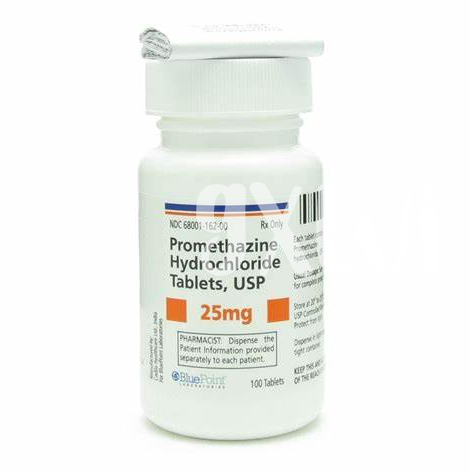
On a rocking ferry your inner ear screams and the brain misreads motion; promethazine intervenes quietly. By blocking H1 histamine and muscarinic receptors in vestibular pathways and the brain’s chemoreceptor trigger zone, it dampens misfiring signals that spark nausea and vomiting reflexes and reduces retching.
Its sedating effect further quiets sensory overload, making motion feel less threatening. Because it crosses the blood–brain barrier, promethazine acts centrally rather than only on the gut, which explains why many travelers find it reliably reduces both queasiness and vomiting when taken before symptoms begin.
Evidence Review Does Promethazine Actually Prevent Nausea
On a rocking ferry many travelers brace for nausea; randomized trials suggest promethazine cuts the incidence of vomiting and reduces symptom severity compared with placebo, especially for severe motion-provoked vomiting. Benefits appear within an hour for many formulations, providing practical relief during travel.
Meta-analyses indicate antiemetic benefit, though study designs vary: oral, rectal, and intramuscular routes show different onset and duration, and older studies predate modern antiemetics, complicating direct comparisons. However, methodological heterogeneity limits definitive conclusions in some subgroups.
Compared with dimenhydrinate and scopolamine, promethazine is effective but often causes more sedation; in head-to-head trials it reduces rescue medication use but requires caution in dose selection.
Overall evidence supports promethazine as a useful option for preventing motion-induced nausea, particularly when vomiting is prominent, but balancing efficacy against side effects guides individual choice. Consultation with a clinician helps tailor safe use.
Timing and Dosing Recommendations for Travel Relief

Before boarding, I learned to take a single promethazine dose about 30–60 minutes prior to travel; this timing helps the drug reach effective levels before motion triggers nausea and dizziness.
Typical adult dosing ranges from 12.5 to 25 mg; avoid exceeding prescribed amounts. For children, follow medical guidance closely, since weight and age significantly alter safe dosing and effects carefully.
If drowsiness or confusion occurs, postpone driving and skip additional doses; consult a clinician if you have respiratory disease, are pregnant, or take other sedating medications to avoid dangerous interactions.
Common Side Effects and Who Should Avoid It
On a rocking ferry, dizziness feels isolating; promethazine can lift the queasy fog, but relief often brings drowsiness, blurred vision and occasional confusion that can surprise unprepared travelers too.
Other typical effects include dry mouth, constipation, urinary retention and lightheadedness. People with glaucoma, enlarged prostate, breathing issues, heart disease or infants should consult a clinician always before use.
Avoid alcohol and driving; interactions occur with sedatives, antidepressants and opioids. Discuss pregnancy plans and all medications with your provider before taking promethazine and ask for dosing.
| Side | Note |
|---|---|
| Drowsiness | Avoid driving |
Alternatives Non Drug Strategies and Safer Options
On a cramped ferry I learned that motion sickness can be outwitted without a pill: steady your gaze on the horizon, sit where motion is least felt (midship or over the wings), and keep your head still. These simple habits reduce sensory mismatch that triggers nausea.
Nonpharmacologic aids include ginger (candied ginger, ginger tea or capsules) and wrist acupressure at the P6 point, both supported by modest evidence for reducing symptoms. Behavioral techniques — paced breathing, focused breathing, and gradual habituation through short practice trips — build tolerance over time.
Fresh air, light snacks, and avoiding heavy alcohol or greasy foods help people; children and pregnant people should favor these approaches. If symptoms persist, seek medical advice.
