Click HERE To Buy Singulair Online ↓
 Stopping Singulair: Withdrawal, Risks, and Alternatives
Recognizing Withdrawal Signs after Stopping Daily Medication
Stopping a daily allergy or asthma pill can feel unsettling; at first you might notice return of congestion, coughing, wheeze, and shortness of breath. Sleep can fragment, producing vivid dreams, restlessness, or irritability within days to weeks, and reduced exercise tolerance and energy.
Some people report anxiety, mood swings, or low mood along with physical symptom rebound. Track new or worsening signs, note timing and severity, and tell your clinician promptly if breathing, behavior, or sleep worsen; early review helps distinguish medication cessation effects from recurrence of the underlying condition.
| Symptom | When to contact |
|---|---|
| Worsening breathing | Immediately |
| Severe mood change | Promptly |
Mental Health Effects to Watch during Medication Cessation
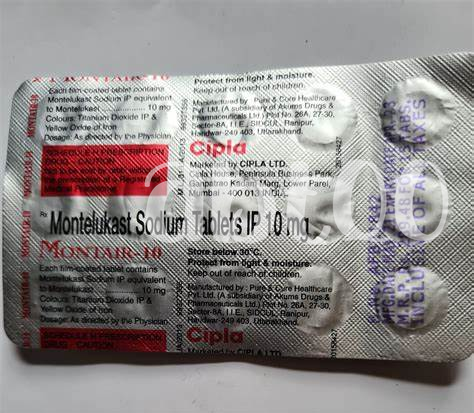
When I stopped taking singulair, nights felt restless; anxious thoughts crept in unexpectedly. Many people report mood swings, irritability, or vivid dreams after stopping medication, so tracking changes helps separate drug effects from life stressors.
Depression or worsening low mood can emerge gradually; friends might notice withdrawal from activities first. Keep a mood diary and share entries with your clinician—early detection often leads to quicker, timely interventions and reassurance overall.
Anxiety spikes, panic attacks, or heightened irritability are common reports. Cognitive symptoms like concentration problems or memory fog may follow cessation. Document frequency and severity so care teams can distinguish withdrawal from underlying psychiatric conditions.
If thoughts of self-harm, overwhelming hopelessness, or sudden behavioral changes occur, seek help immediately. Your provider can suggest gradual tapering, alternative therapies, or emergency support. Preparedness reduces fear and access resources.
Physical Risks and Respiratory Changes after Medication Discontinuation
When I stopped taking singulair, nighttime coughing returned like an old roommate. Respiratory changes can include increased wheeze, cough, and shortness of breath. These often appear days to weeks after discontinuation without warning in some.
Clinically, lung inflammation may flare and spirometry values can decline, producing measurable drops in peak flow. Even mild disease can rapidly worsen, so monitoring symptoms and objective breathing tests becomes crucial after stopping for some.
Rarely, cessation triggers severe exacerbations requiring urgent treatment or short hospital stays. Rescue inhalers, oral steroids, and oxygen may be needed. Discuss contingency plans with your clinician before discontinuing singulair to reduce surprise and anxiety.
Track peak flow and nighttime symptoms, and report any fever, green sputum, or sudden breathlessness. Smoking cessation, vaccination, and inhaler technique reviews are practical steps clinicians recommend when planning to stop long term therapy safely.
Safer Tapering Strategies Your Doctor Can Recommend

When you and your clinician decide it's time to stop singulair, a thoughtful taper can ease biological shock. Rather than an abrupt halt, doctors often suggest stepwise dose reduction, symptom tracking, monitoring, and scheduled check-ins to catch rising cough, wheeze, or mood changes. For some patients a dose every other day or lower-frequency dosing for several weeks allows receptors and inflammation pathways to readjust while preserving control.
Your plan may include swapping to or increasing inhaled corticosteroids, ensuring a rescue inhaler is available, and coordinating with mental health support if anxiety or depression emerges. Regular peak flow measurements or a symptom diary help guide adjustments; urgent escalation is warranted if breathing worsens. Children, pregnant people, and those with severe asthma need individualized strategies and closer follow-up, so maintain clear communication and an action plan with your provider throughout the taper.
Alternative Treatments: Inhalers, Biologics, and Lifestyle Fixes
When transitioning off singulair, many people seek other ways to control symptoms. Start by revisiting inhaler technique and controller options; inhaled corticosteroids and combination inhalers often replace daily oral therapy. Think of this as swapping a map rather than abandoning the route entirely.
Biologics are another chapter: targeted injections can dramatically reduce flares for qualifying patients, especially those with severe allergic or eosinophilic profiles. Discussion with a specialist helps match the right agent and set realistic expectations about response time and monitoring.
Lifestyle fixes—regular exercise, trigger avoidance, smoking cessation, weight management, and allergy-proofing the home—often complement medications. Small changes compound, reducing reliance on drugs and empowering people to breathe easier and regain confidence and independence.
When to Seek Urgent Help: Red Flag Symptoms
Imagine waking at night with sudden, severe breathlessness, chest tightness, or wheezing that doesn’t ease with your rescue inhaler. Blue lips, struggling to speak in full sentences, or collapsing are emergencies needing immediate care.
If you or someone nearby develops abrupt, intense mood swings, persistent suicidal thoughts, hallucinations, or violent behavior after stopping medication, contact emergency services immediately or a crisis line right away.
Also seek urgent attention for high fever, widespread rash or facial swelling, new numbness or weakness, confusion, or any rapidly worsening symptom—don’t wait to get help.
