Click HERE To Buy Tizanidine Online ↓
 Tizanidine Vs Baclofen: Which Muscle Relaxant Wins?
How Tizanidine and Baclofen Work Differently Inside Muscles
Imagine a tense evening when muscles refuse to relax; one drug whispers through spinal circuits, calming overactive signals before they reach the limb, easing rigid resistance.
The other works more directly on motor neurons, reducing excitability so spasms lose their punch; movements feel less abrupt, and reflex-driven jerks soften noticeably.
Clinically, this means differences in onset and functional effect: one may blunt spasm intensity quickly, while the other can produce steadier, background muscle relaxation.
Choosing between them depends on goals—rapid relief versus sustained tone control—and on side-effect profiles that shape daily tolerance and activity levels. Considerations like liver function, blood pressure, and daytime drowsiness guide clinicians toward the safer, more tolerable option for each person.
| Feature | Snapshot |
|---|---|
| Primary action | Spinal inhibition vs motor neuron dampening |
Comparing Muscle Spasm Relief, Speed and Strength

When a patient describes spasms that stop them mid-step, clinicians weigh how quickly relief arrives and how robust it is. Tizanidine often brings quicker onset for acute flares due to central alpha-2 agonism, producing noticeable reduction in spasm intensity within hours. Baclofen may require more time to reach peak effect but can provide steadier suppression with chronic dosing.
Strength of antispastic effect differs by situation: baclofen's GABA-B agonism tends to reduce spasticity more profoundly in spinal cord–related hyperreflexia, whereas tizanidine may be preferable for intermittent, painful muscle tightness because sedation accompanies its shorter-lived benefit.
In practice, clinicians balance speed, depth of relief and tolerability: a rapid but shorter action like tizanidine suits breakthrough symptoms; sustained control often leads to favoring baclofen, or combining approaches while monitoring side effects. Patient goals and rehabilitation needs guide final medication choice decisively in practice.
Side Effects Showdown: Sedation, Weakness, Blood Pressure
Clinicians often describe a sedative trade-off: tizanidine produces notable drowsiness early, while baclofen causes more persistent muscle weakness for some patients. Patients report cognitive fog with tizanidine at peak dosing, and the morning after effects can influence activities like driving or operating machinery and balance.
Blood pressure differences matter: tizanidine can lower readings and cause symptomatic hypotension, especially when combined with antihypertensives, whereas baclofen more commonly raises fall risk through weakness. Clinicians tailor choices by monitoring vitals, advising gradual dose changes, and emphasizing hydration and avoiding alcohol to reduce harm.
Dosing, Half-life and Titration: Practical Prescribing Differences
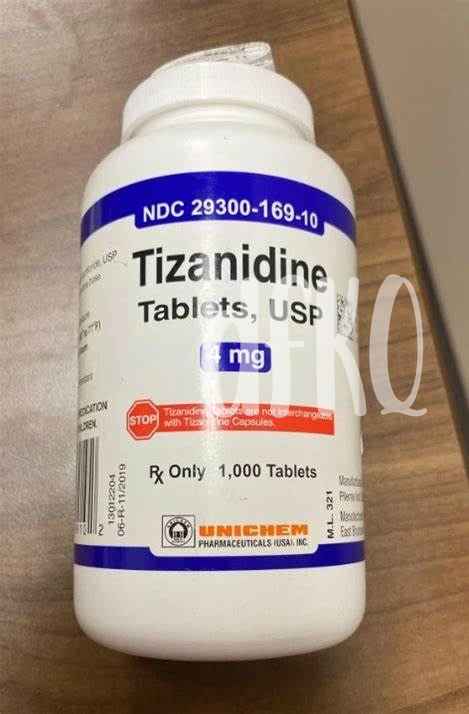
Clinicians often start tizanidine at 2 mg every 6–8 hours; baclofen typically begins 5 mg three times daily, titrated slowly, carefully by clinicians.
Tizanidine’s short half-life demands more frequent dosing and nimble timing; baclofen’s longer action supports steadier, less frequent schedules to match symptom patterns.
Titration needs caution: raise tizanidine slowly to avoid hypotension and sedation; do not stop baclofen abruptly because withdrawal can be severe, sometimes.
Adjust schedules for renal or hepatic impairment: reduce baclofen in renal disease and consider tizanidine metabolism in liver dysfunction when planning dosing carefully.
Drug Interactions, Contraindications and Special Populations
When prescribing, remember tizanidine’s sensitivity to CYP1A2 inhibitors — a coffee-break cautionary tale that can suddenly amplify effects. Both agents demand liver and renal checks; benzodiazepines, opioids and alcohol commonly deepen sedation, so counsel patients clearly about combined use and monitoring.
Elderly patients may need lower starting doses and slower titration; pregnancy and breastfeeding require careful risk–benefit discussion. Practical choices hinge on comorbidities, concomitant medications, and cost — aiming for safe symptom control while minimizing interactions and avoidable harm. Shared decision-making with the patient and pharmacist often simplifies follow-up.
| Risk | Example |
|---|---|
| CYP1A2 interaction | Ciprofloxacin increases tizanidine levels |
Real-world Choice: Patient Factors and Cost Considerations
Choosing between tizanidine and baclofen often comes down to the person behind the prescription. A busy parent who needs daytime alertness may favor baclofen’s lower short-term sedation, while someone with spasticity after spinal cord injury might prefer tizanidine for potent nocturnal relief. Comorbidities, liver or kidney disease, and existing medications shape that nuanced decision.
Cost and access matter: generic formulations make both affordable, but insurance coverage, prior authorization and clinic familiarity nudge choices. Titration schedules, monitoring needs and potential withdrawal risks influence follow-up frequency. Shared decision-making — explaining trade-offs in side effects, expected benefit and out-of-pocket cost — helps patients pick a realistic plan that balances symptom control, safety and daily function and lifestyle priorities.
