Click HERE To Buy Trazodone Online ↓
 Stopping Trazodone Safely: Withdrawal and Tapering Tips
Understanding Withdrawal: What to Expect and Why
When you stop trazodone, your body may protest as brain chemistry readjusts; sleep, mood, and energy often wobble for days to weeks. Expect vivid dreams, rebound insomnia, anxiety spikes, and physical sensations like dizziness or flu-like aches, varying by dose and how long you took it.
Withdrawal isn't a sign of failure — it's a predictable response that guides safer tapering. Working with a clinician to slow reductions, monitor symptoms, and use sleep and anxiety strategies reduces risk. Most people improve over weeks, though some need a longer, individualized plan.
| Symptom | Typical onset |
|---|---|
| Insomnia | Days |
| Anxiety | Days–Weeks |
| Physical aches | Days |
Planning Your Taper: Timelines and Personalized Strategies
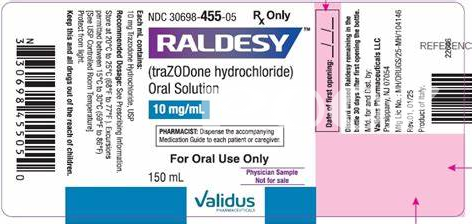
I sat with my doctor and sketched a timeline that felt realistic: small steps over weeks rather than abrupt cuts. Understanding that trazodone affects sleep and mood, we prioritized steady reductions and checkpoints to reassess symptoms.
A personalized plan considers dose, duration, and life stressors; someone on a low dose for a few months may taper faster than someone who used it for years. Build flexibility into the schedule so pauses or smaller decrements are possible when withdrawal signs appear.
Track sleep, anxiety, and physical symptoms in a journal and share entries during follow-ups; this data guides adjustments. Collaborate with clinicians, be patient, and celebrate small wins to maintain momentum and safety. If severe symptoms emerge, contact your provider immediately or consider urgent care for support and medication management. Lean on trusted family or peer groups for emotional support daily
Dose Reduction Methods: Microtapering Versus Staggered Decreases
When I stopped trazodone, I learned that tapering can feel like navigating fog: small choices matter. Gradual microtapers reduce dose by tiny amounts over weeks or months, often using compounding or liquid formulations. This approach minimizes abrupt brain receptor changes and can lessen withdrawal intensity for sensitive people.
An alternative is staggered decreases: drop to a lower tablet strength and hold for days to weeks. That can be simpler when formulations aren’t flexible, but may provoke rebound symptoms if steps are too large. Doctors often balance practicality with symptom monitoring to choose the safer path.
Whatever route you pick, personalize the plan: consult your prescriber, keep a symptom diary, and adjust slowly. Many veterans of discontinuation recommend patience, flexible timing, and supportive measures like sleep hygiene and brief therapy. Small gains add up; cautious pacing reduces relapse risk over time.
Managing Symptoms: Insomnia, Anxiety, and Physical Effects

Waking in the first nights after lowering trazodone can feel disorienting; breath quickens, thoughts loop, and the body protests. Accepting this as a signal rather than failure helps. Practical steps—gentle sleep hygiene, short naps, limiting screens, and calming routines—often reduce acute insomnia and restore a rhythm over days to weeks.
Anxiety may flare unpredictably: pacing, intrusive worries, and muscle tension are common. Grounding techniques like focused breathing, progressive muscle relaxation, or five-sense exercises can interrupt panic cycles. If distress persists, consider temporary behavioral tools, peer support, or brief medication adjustments only under medical supervision care.
Physical effects—headaches, dizziness, or gastrointestinal upset—usually ease with hydration, light activity, and time. Track symptoms in a journal to spot patterns and share with your clinician. Slow tapering plans minimize these reactions; communicate openly about side effects to adapt the approach and preserve recovery momentum.
When to Seek Help: Red Flags and Resources
I remember waking up in a fog when I tapered my trazodone — a creeping anxiety and dizziness that felt wrong. Trust your instincts: severe mood swings, suicidal thoughts, hallucinations, or sudden motor problems are not normal and demand immediate care. Keep a symptom log and contact your prescriber when symptoms intensify, persist beyond a few days, or interfere with daily functioning.
If access to your prescriber is delayed, use crisis lines, urgent care, or emergency services; pharmacists can advise on taper complications. For ongoing support, seek psychotherapy, peer groups, or reputable online communities that focus on medication withdrawal. Bring a list of symptoms and current dosing to every appointment to speed appropriate intervention and reduce risk.
| Red flag | Immediate action |
|---|---|
| Suicidal thoughts or self-harm | Call emergency services or a crisis line right away |
| Severe physical symptoms (seizures, chest pain) | Go to the nearest emergency department |
Aftercare Strategies: Sleep, Therapy, and Relapse Prevention
After stopping trazodone, prioritize sleep hygiene and structure: regular bedtimes, dim lights, and a wind-down routine. Cognitive behavioral therapy for insomnia (CBT-I) can rebuild sleep without medication, while journaling and relaxation exercises ease nighttime anxiety. Small, consistent habits support recovery and reduce relapse risk.
Stay connected to a therapist or support group to process triggers and maintain gains; medication check-ins with your prescriber help address returning symptoms. Plan sober routines, identify warning signs, and practice coping strategies like grounding or paced breathing so slips become manageable and unlikely to escalate.
