Click HERE To Buy Vibramycin Online ↓
 Vibramycin for Acne: Benefits and Risks Explained
How This Antibiotic Targets Blemish-causing Bacteria
I remember my flare: tiny red islands, inflammation flaring overnight. Vibramycin slips into skin tissues, finds bacteria that feed on oils, and interrupts protein production so they stop multiplying rapidly.
At a cellular level it binds bacterial ribosomes, halting protein synthesis. Less toxin production calms immune reaction; pustules shrink and redness fades as bacterial numbers fall and inflammation eases quickly.
Beyond killing bugs, it modulates inflammation and may inhibit enzymes that remodel tissue, lowering likelihood of new lesions. Combined with topical care, results are visible within weeks.
Resistance can develop if used improperly, so short courses at appropriate doses are advised. A dermatologist should assess severity, monitor response, and decide when to stop therapy safely.
| Target | Effect |
|---|---|
| Bacterial ribosome | Inhibits protein production |
Short-term Benefits: Faster Clearing and Reduced Inflammation

When acne flares, it's encouraging to see steady improvement within days; vibramycin works by quickly reducing bacteria that inflame follicles, allowing redness and swelling to recede. Patients often describe smaller, less painful pustules and fewer new breakouts as oil glands calm and immune response subsides. This early change boosts confidence and makes topical treatments more effective.
Within one to two weeks many users notice diminished swelling and faster lesion flattening, though full clearance takes longer. Faster control of inflammation lowers scarring risk and shortens the period of active care, helping people stick to routines. Clinicians pair vibramycin with benzoyl peroxide or retinoids to accelerate results while monitoring response and side effects carefully for better outcomes.
Common Side Effects and Practical Management Tips
Beginning vibramycin often brings mild digestive complaints — nausea, stomach upset or loose stools — and occasionally a sore throat from irritation. These effects are common and usually transient, but acknowledging them helps you avoid surprises.
To minimize discomfort, take the pill with a full glass of water and remain upright for 30 minutes; taking with food can reduce nausea, but avoid dairy, antacids or iron supplements within two hours to preserve absorption. If diarrhea occurs, short-term probiotics or plain foods may help; stop and contact your clinician for severe or prolonged symptoms.
Photosensitivity is another predictable issue: use broad-spectrum sunscreen, wear protective clothing and limit peak sun exposure. Also inform your provider if you are pregnant, breastfeeding, or under eight years old, or if you experience severe rash, vision changes or persistent headaches. Seek urgent care for breathing difficulty or swelling.
Serious Risks: Who Should Avoid This Treatment
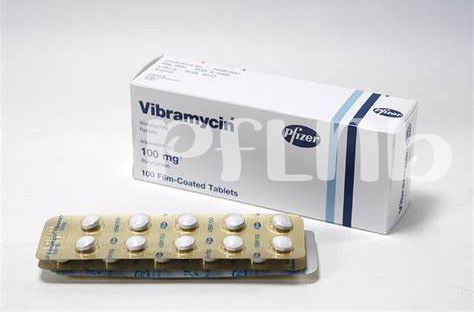
Think twice before starting vibramycin if you are pregnant, breastfeeding, or a child under eight. Tetracyclines can impair bone growth and permanently stain developing teeth, and people with liver disease or a history of serious allergic reaction to tetracyclines should avoid it.
Also avoid vibramycin if you have a history of intracranial hypertension, esophageal motility disorder, or myasthenia gravis, since it may worsen these conditions. Discuss use with your doctor before combining it with isotretinoin or blood thinners, and seek immediate care for severe rash, vision changes, or headaches.
Interactions with Medications and Increased Sun Sensitivity
I felt relief within days as vibramycin began calming the infection, but my doctor warned about mixing it with other prescriptions. A pharmacist maps interactions patiently.
Some heart and antacid drugs can reduce effectiveness or raise side effects, so share a full medication list. Timing with supplements matters too.
Also avoid tanning beds and use broad sunscreen; sensitivity to sunlight can cause painful burns quickly. Wear protective clothing and reapply sunscreen during outdoor fun.
Ask about alternatives if you take blood thinners or isotretinoin, and report any severe reactions immediately.
Treatment Length: When to Stop or Continue Therapy
When you start Vibramycin, the early weeks often bring the fastest visible change: inflammatory lesions shrink and pain subsides within four to eight weeks. Most dermatologists reassess at about three months to decide whether to stop, switch to topical maintenance, or continue at the lowest effective dose; if there’s minimal improvement after twelve weeks, antibiotics should be discontinued to avoid resistance.
Long-term use beyond three months is reserved for severe, nodulocystic acne and is best supervised by a dermatologist who can monitor side effects and consider adjunct therapies. If improvement plateaus, transition to topical retinoids, azelaic acid, or hormonal options when appropriate; women contemplating pregnancy must stop doxycycline and discuss alternatives. Regular follow-up, sun protection, and clear exit criteria reduce risks while preserving benefit. Laboratory monitoring may be recommended for prolonged courses to check liver function and other parameters periodically.
